INVESTMENT GUIDE
Real Estate in Istria as an Investment: Yield, Value Growth and What to Watch For
2026-09-02 · 7 min read · Martina Ernst
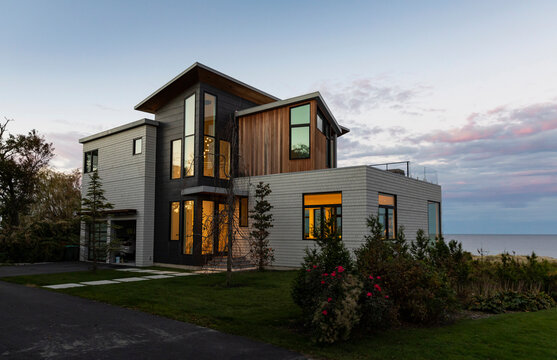
For years, Istria has been one of the most stable regions for property investment in Croatia. Its closeness to the sea, a long tourist season and a steady flow of foreign buyers keep demand high, while the supply of quality property in Pula and the surrounding area is limited, which keeps values resilient even in quieter years.
If you are thinking about buying property in Istria as an investment, the sections below explain where the return comes from, how value moves over time, what the costs and taxes are, and how to choose a property that genuinely works for you.
Why Istria attracts property investors
Istria brings together several things investors look for in one place: a safe destination within the EU, well developed tourist infrastructure and a property market that grows gradually, without sharp jumps or drops. Pula, the largest city in the region, has an airport, year round life and a growing number of digital nomads and second home owners.
Demand in the Pula area does not depend on two summer months alone. Conference tourism, cultural events and the closeness of Italy and Central Europe extend the season and keep rental occupancy solid from spring to autumn.
Rental yield in Pula and the surrounding area
The most common source of income from an investment property in Istria is short term holiday letting. The gross annual yield in the Pula area roughly ranges between 4 and 7 percent, depending on location, size, furnishing and how many days a year the property is let. Properties with a pool, parking and proximity to the sea are usually at the upper end of that range.
Long term letting brings a slightly lower yield, usually 3 to 4 percent gross, with less operational work and steadier income throughout the year. Many owners combine both models: holiday letting in summer and long term letting outside the season.
When you calculate the yield, always deduct the costs of management, cleaning, platform fees, utilities and taxes. The real net yield after all costs is most often one to two percentage points below the gross figure.
How property value grows over time
Alongside rental income, the second part of the return comes from the growth in the value of the property itself. Prices in Pula and the coastal towns of Istria have risen steadily in recent years, and stone houses and first line sea view properties hold their value even when the market slows down.
Investing in property in Istria usually makes sense over a horizon of five years and longer. Over that period, the combination of rental income and value growth produces a total return that many investors consider favourable relative to the risk.
Which properties work best as an investment
Apartments in Pula up to 60 square metres are the easiest to let and have the widest audience, from tourists to people on longer work stays. The entry price is lower and occupancy is high.
Houses with a pool around Pula, for example in Medulin, Ližnjan, Fažana or Vodnjan, bring the highest income per night, but call for a larger initial investment and more active management.
Istrian stone houses for renovation appeal to investors who want to add value through the refurbishment and then let the property as authentic Istrian accommodation. Building land is an option for a longer horizon and a larger budget.
Costs, taxes and the legal framework
The real estate transfer tax in Croatia is 3 percent of the market value and is paid by the buyer. On top of that, plan for notary, lawyer and agency fees, and a possible valuation for the bank.
Rental income is taxed in Croatia. Private individuals who let to tourists pay a flat tax per bed, while long term letting and letting through a company are taxed differently. Before buying, it is worth going through with an accountant which form is more favourable for you.
EU citizens buy property in Istria under the same conditions as Croatian citizens. For buyers from outside the EU, we recommend buying through a Croatian limited liability company, which is a common and safe route for investment property.
How to choose the location and the property
Yield and value growth depend most on the micro location. Distance to the sea, the view, access to parking, closeness to the old town and the legal status of the property separate a good investment from one that sits empty for years.
Before the purchase we check the title deed, the land registry extract, the building and occupancy permits and the energy certificate. We also look at real data on occupancy and rental prices on that specific street, not just the city wide averages.
If you would like us to put time into analysing a specific property, or to prepare a short list of options based on your budget and goal, get in touch. We work with buyers from across Europe and guide the whole process from selection to the handover of keys.
FAQ
What is the average rental yield of a property in Istria?
The gross annual yield from short term holiday letting in the Pula area roughly ranges between 4 and 7 percent, and long term letting is usually 3 to 4 percent. The net yield after management, utilities and taxes is most often one to two percentage points lower.
Is an apartment or a house with a pool the better investment?
An apartment in Pula has a lower entry price, high occupancy and easier management, so it is a good first step. A house with a pool in the surrounding area brings higher income per night and more potential for value growth, but it calls for a larger investment and more involvement. The choice depends on your budget and how much you want to be hands on with the property.
Can I buy an investment property in Istria as a foreign citizen?
Yes. EU citizens buy under the same conditions as Croatian citizens. For buyers from outside the EU, we recommend buying through a Croatian d.o.o., which is a common route for investment property. We can handle most of the steps by power of attorney.
Rebecca Real Estates by ME Homes d.o.o., Varaždinska ul. 1, 52100 Pula, Hrvatska · +385 99 3921 442 · info@croatia-rebecca.com · https://croatia-rebecca.com